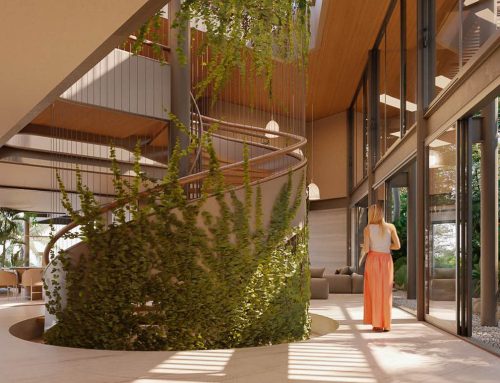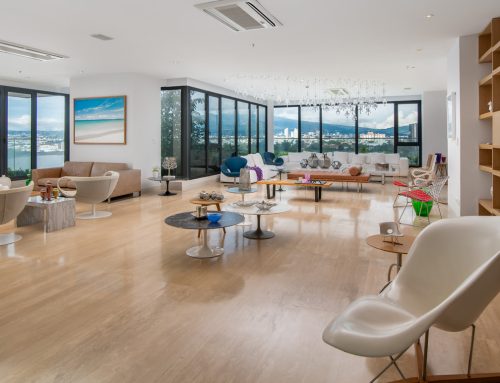

Five distinct residential settings, from San José’s eastern hills to Guanacaste’s Pacific coast.
For those who play golf, living on a course has an appeal that goes well beyond the game itself. There is something to be said for having the fairway just outside your door. Perhaps it’s an early morning round, an evening at the clubhouse, or simply the open green spaces surrounding your home.
In Costa Rica, that lifestyle takes different forms. Some golf communities sit in the cooler hills of the Central Valley. San José’s business districts and international schools remain within easy reach. Others stretch along the Pacific coast, where golf is part of a broader lifestyle. The ocean, outdoor pursuits, and resort amenities shape daily life.
But choosing where to live involves more than finding a course you enjoy playing. Each community has its own character, residential offerings, membership arrangements, and advantages for homeowners. We explore five established golf communities in Costa Rica and what makes each one worth considering from a real estate perspective.
The Central Valley: golf within the working week
For full-time residents, proximity to schools, work and the routines of San José can outweigh the romance of a resort address. The following three communities offer different versions of that balance.
Monterán
Curridabat · Central Valley

In eastern San José, the appeal of Monterán is measured less by championship yardage than by the quality of an ordinary morning. Its nine-hole, par-three course asks for accuracy and a considered short game. More importantly, it places golf within the rhythm of a residential enclave rather than at the end of a drive across the city.
Guayabos and the wider Curridabat area serve buyers whose professional, family and social lives are anchored in the eastern Central Valley. Large homes, established gardens and mountain-facing settings distinguish the community. The course is an everyday amenity, while the location and the particular character of a property remain central to the purchase decision.
Valle del Sol
Santa Ana · Central Valley

Valle del Sol presents a different proposition: an 18-hole golf landscape within Santa Ana’s established residential market. Beyond the round itself, the course creates broad stretches of green and a sense of openness. It brings unusual landscape continuity to a metropolitan setting.
For owners who move frequently between home, schools, business districts and the airport, Santa Ana offers practical advantages. Properties range from houses overlooking the course to residences facing other natural areas. Their exposure, privacy and long-term use can differ significantly. A golf view can be compelling, but so can a quieter site beyond the playing corridors.
Hacienda Los Reyes
La Guácima · Alajuela

At Hacienda Los Reyes, golf forms part of a broader country-club culture. The nine-hole course sits in La Guácima, west of San José. Here, space, recreational facilities and a slower residential pace can matter as much as the scorecard.
Its connection to Route 27 gives the area a particular place in the Central Valley market. Households gain more room while retaining access to Santa Ana, Escazú and Juan Santamaría International Airport. Property selection should weigh the individual neighbourhood, security regime, landscaping and proximity to shared facilities rather than relying on the development’s name alone.
The property question: distinguish residence in the community from membership at Los Reyes Country Club. The club states that membership is available beyond residents, which makes the rules, costs and privileges worth examining before purchase.
The Pacific coast: golf as part of a second-home lifestyle
At the coast, the property decision often includes hospitality, marina or beach access, and the practicalities of operating a home across seasons. A golf course is part of the setting, not the whole proposition.
Los Sueños & La Iguana
Herradura · Central Pacific

The equation changes at Los Sueños in Herradura. Here, an 18-hole Ted Robinson course is one part of a resort environment that also includes a marina, hospitality and multiple residential settings. La Iguana runs through tropical vegetation, giving golf a distinctly Central Pacific context.
Buyers often balance several uses for one property: personal stays, longer seasonal residence and occasional guests. Where permitted, rental activity may also factor into the decision. The right address depends on much more than proximity to a tee. Consider the condominium or neighbourhood where the residence sits, its management structure and marina access. Also weigh the practicalities of maintaining a second home in a coastal climate.
Hacienda Pinilla
Guanacaste · Pacific coast

Along Guanacaste’s northern Pacific coast, Hacienda Pinilla combines a residential estate with beach access and a par-72 course designed by Mike Young. The golf layout passes through dry-tropical terrain and coastal scenery. The result is not a traditional suburban golf address, but a larger landscape in which sport, beach life and private homes coexist.
That breadth is part of the real estate appeal, but it also makes the details important. Different residential sectors offer different building typologies, outlooks, degrees of privacy and distances to the course and beaches. For an international second-home buyer, property management and patterns of seasonal use may matter as much as the view from the terrace.
What to establish before buying
Begin with the property’s precise relationship to the course: direct frontage, a distant view, or simply residence within the same master development. Then examine club access, homeowner association documents, construction rules, maintenance obligations, rental restrictions where relevant and any easements or setback requirements. Independent legal and technical review should sit alongside the lifestyle conversation.
For coastal properties, add an appraisal of building maintenance, humidity exposure, local service provision and seasonal occupancy. For Central Valley homes, prioritise the street, day-to-day travel patterns and the degree of privacy from neighbouring lots and playing areas. These factors are specific to each address, not implied by the community name.
The home beyond the fairway

A course is an amenity; a home is a longer-term decision. The most successful purchase is rarely determined by one exceptional view or one memorable round. It comes from understanding how a property performs when the clubs are put away. Privacy, access, maintenance, community rules and everyday life all matter.
For buyers comparing these five addresses, The Agency Costa Rica can clarify the difference between golf-facing properties and homes elsewhere in the community. We can also connect the lifestyle appeal to the details of each available home.
For course specifications and additional communities, read our golf guide.
Articles you might like