
Inspired by “The New Guard: AI Money Heads to Real Estate,” featured in The Agency’s 2026 Mid-Year Red Paper. Here, The Agency Costa Rica considers what this emerging generation of buyers could mean for the Costa Rican luxury property market.
A new generation of wealth is entering the global luxury real estate market, and its priorities look noticeably different from those that came before.
In The Agency’s 2026 Mid-Year Red Paper, “The New Guard” examines the rise of young founders and executives whose fortunes are being created by artificial intelligence and the broader technology sector. The report finds a buyer who tends to move quickly, values simplicity, prefers turnkey properties and increasingly sees the home as both a highly functional base and an antidote to an intensely connected professional life.
Those preferences have particular resonance in Costa Rica.
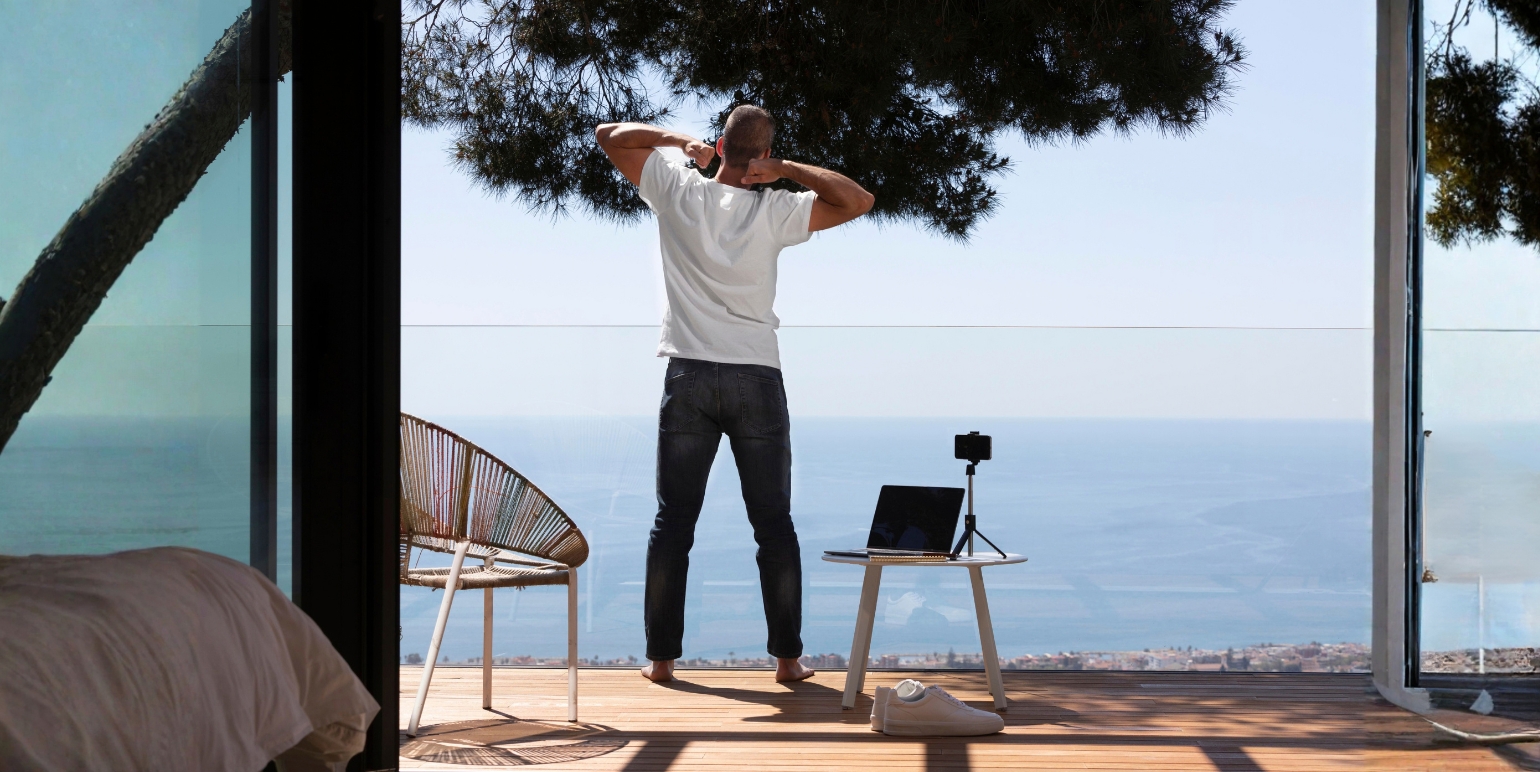
For entrepreneurs who can operate from almost anywhere, the question is no longer simply where business requires them to live. It is increasingly where they want to spend their time, and what they expect from a home when they get there.
When Time Becomes the Luxury
The Red Paper describes a generation of buyers with little appetite for lengthy property searches. Strong presentation matters, decisions can happen quickly, and properties requiring substantial work may struggle to hold their attention.
In Costa Rica, that preference makes turnkey ownership particularly relevant.
International buyers are not necessarily searching for a project. Many are looking for a residence they can arrive at and begin enjoying immediately, whether that means an ocean-view villa in Guanacaste, a private retreat near Santa Teresa or Nosara, or a sophisticated residence in Escazú or Santa Ana with convenient access to the capital.
The definition of “turnkey” here, however, extends beyond beautiful interiors. For a buyer who may spend significant periods outside the country, a property also needs to function well in their absence. Professional management, reliable systems, thoughtful landscaping, security and straightforward maintenance can be as meaningful as the architecture itself.
Luxury, for this buyer, is partly the absence of friction.
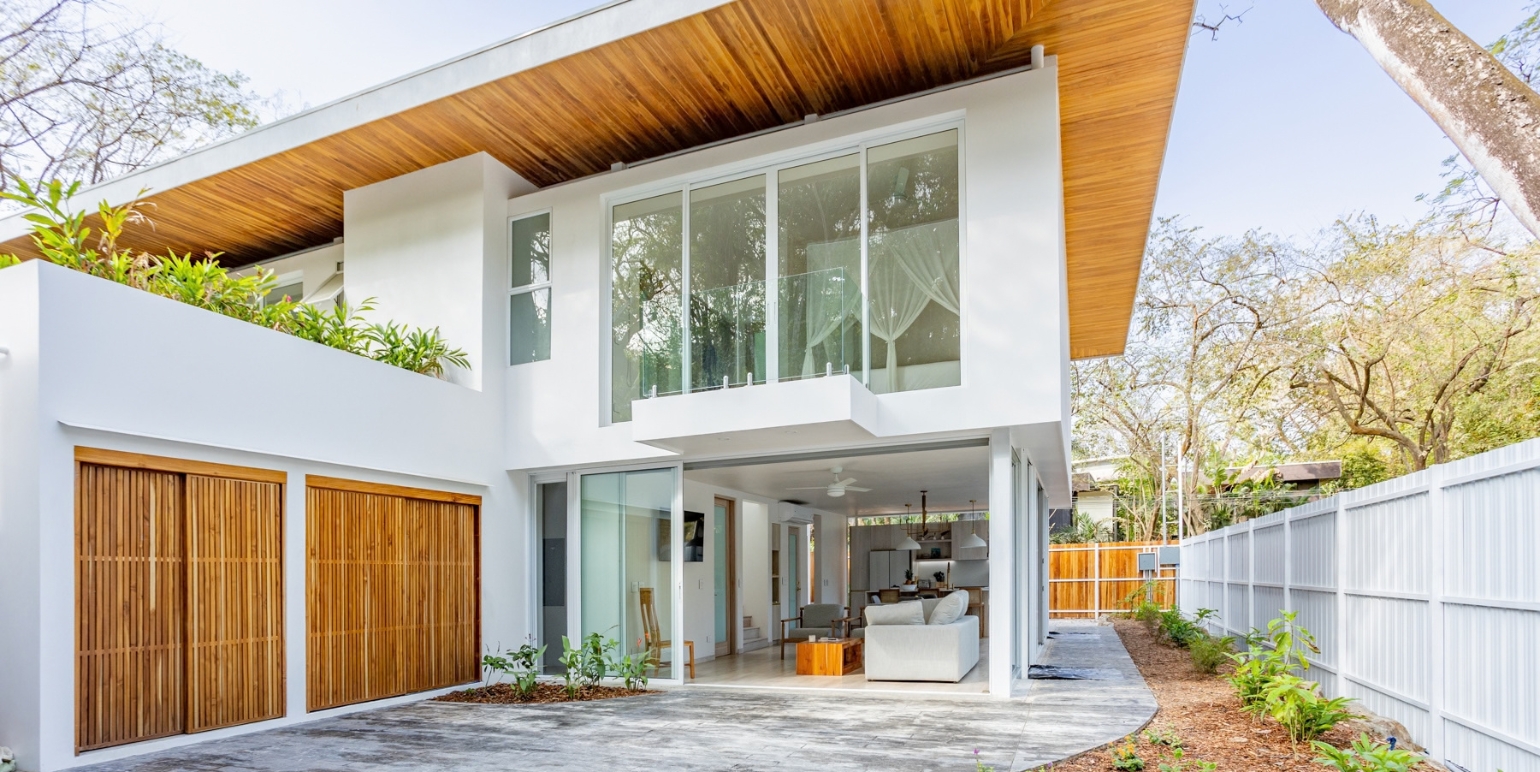
The New Status Symbol Is a Home That Works
The original Red Paper article points to another shift: younger technology buyers appear less interested in traditional displays of success and more interested in homes that perform exceptionally well. High-speed connectivity, updated mechanical systems, backup infrastructure and serious home-office capabilities are increasingly part of the conversation.
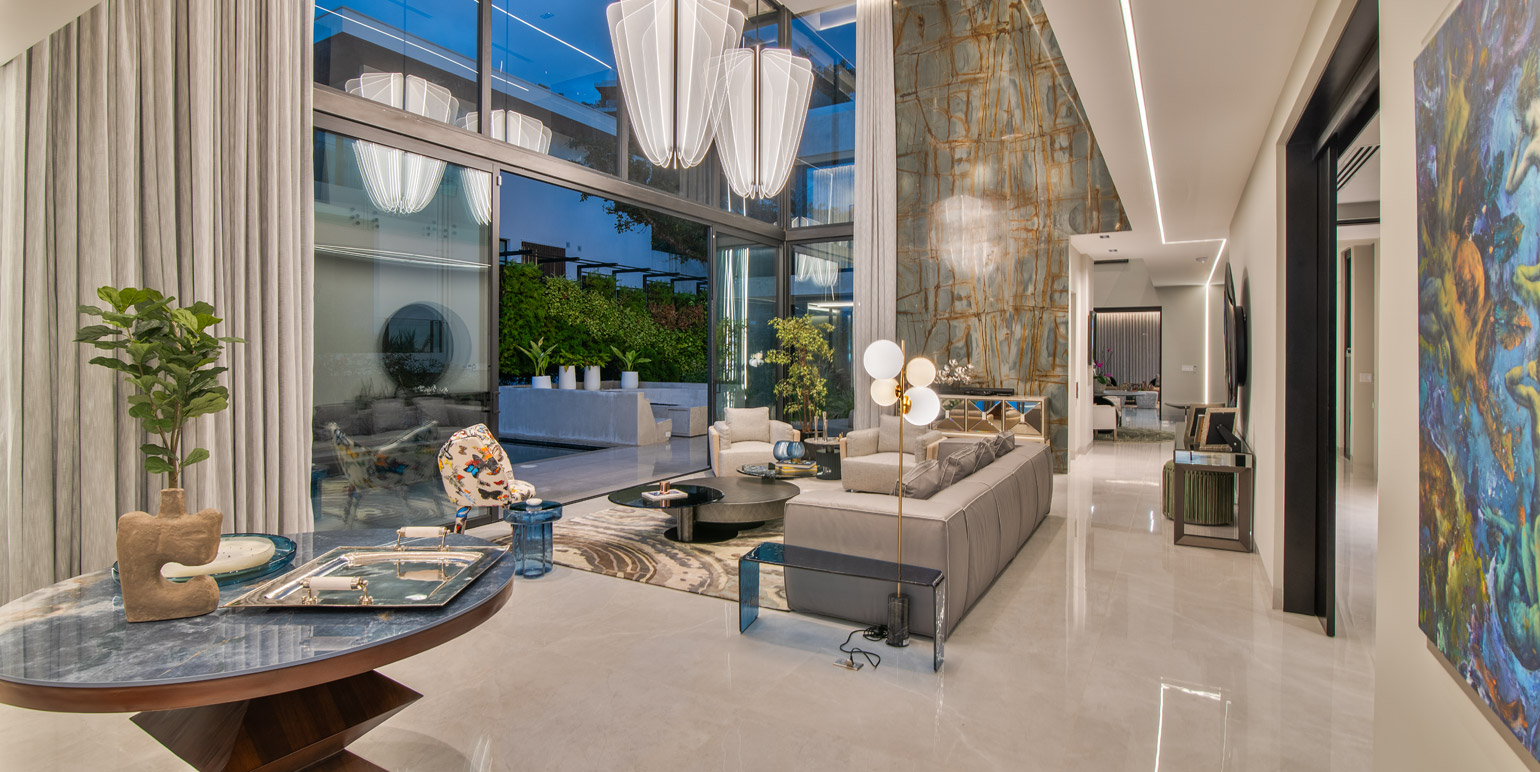
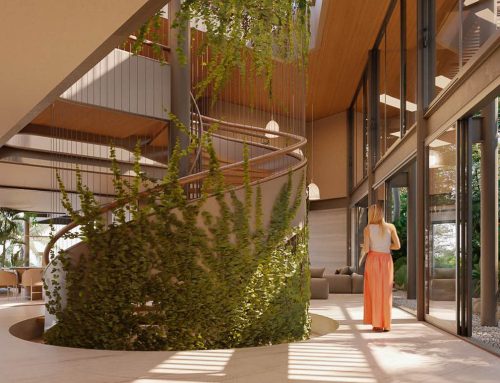
Casa Satori smart-tech home
A dramatic Pacific view may capture attention, but buyers whose professional lives remain global will quickly move to practical questions. How reliable is the internet? Is there redundancy? Can the property support video calls and intensive remote work? Is there backup power? How easily can the home be monitored while its owners are abroad?
For this generation, technology is rarely the centerpiece of the home. Ideally, it disappears into it.
Wellness Without the Wellness Room
Perhaps the strongest connection between the Red Paper’s findings and Costa Rica is the growing emphasis on wellness.
The Agency’s global experts describe buyers seeking saunas, cold plunges, gardens and spaces designed to create calm, while access to nature and views are becoming increasingly important.
In Costa Rica, wellness can be less about adding amenities and more about choosing the right setting.
In Nosara and Santa Teresa, the rhythm of daily life can revolve around surf, movement, outdoor dining and time in nature. Along the Guanacaste coast, contemporary estates pair resort-level comfort with immediate access to beaches and open landscapes. Farther south, areas such as Dominical and Uvita offer a more immersive relationship with rainforest and ocean. In the Central Valley, Escazú, Santa Ana and surrounding communities offer another interpretation: privacy, greenery and mountain views while remaining connected to San José’s business, educational and medical infrastructure.
The common thread is not a particular amenity. It is the ability of a home to create contrast.
For someone whose working life involves constant information, meetings and screens, stepping outside into tropical air, swimming before the first call of the day or watching the Pacific at sunset can become part of the value proposition of the property itself.
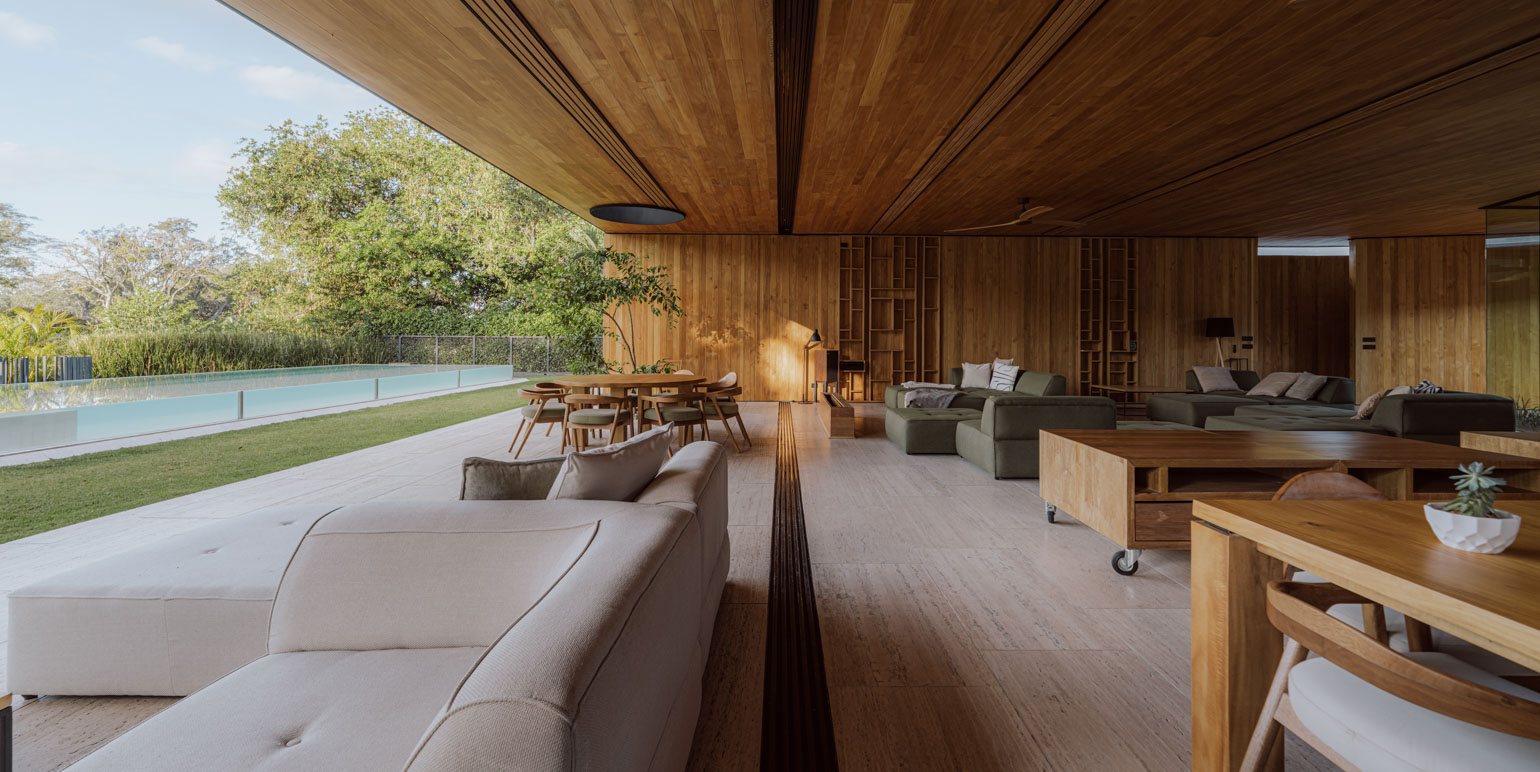
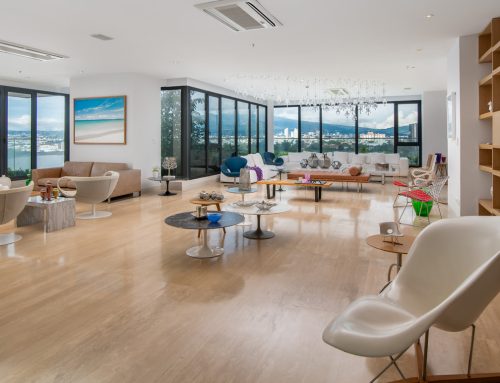
Casa Element at Valle del Sol wellness residence
Privacy Takes on Greater Importance
The Red Paper also identifies privacy and security as defining concerns among younger technology executives, particularly founders whose wealth or public profile can grow very quickly.
Costa Rica offers several interpretations of privacy.
For some buyers, it means a controlled-access community with established services and management. For others, it means acreage, elevation and physical separation, or a home tucked into the landscape where the nearest neighbor is barely visible.
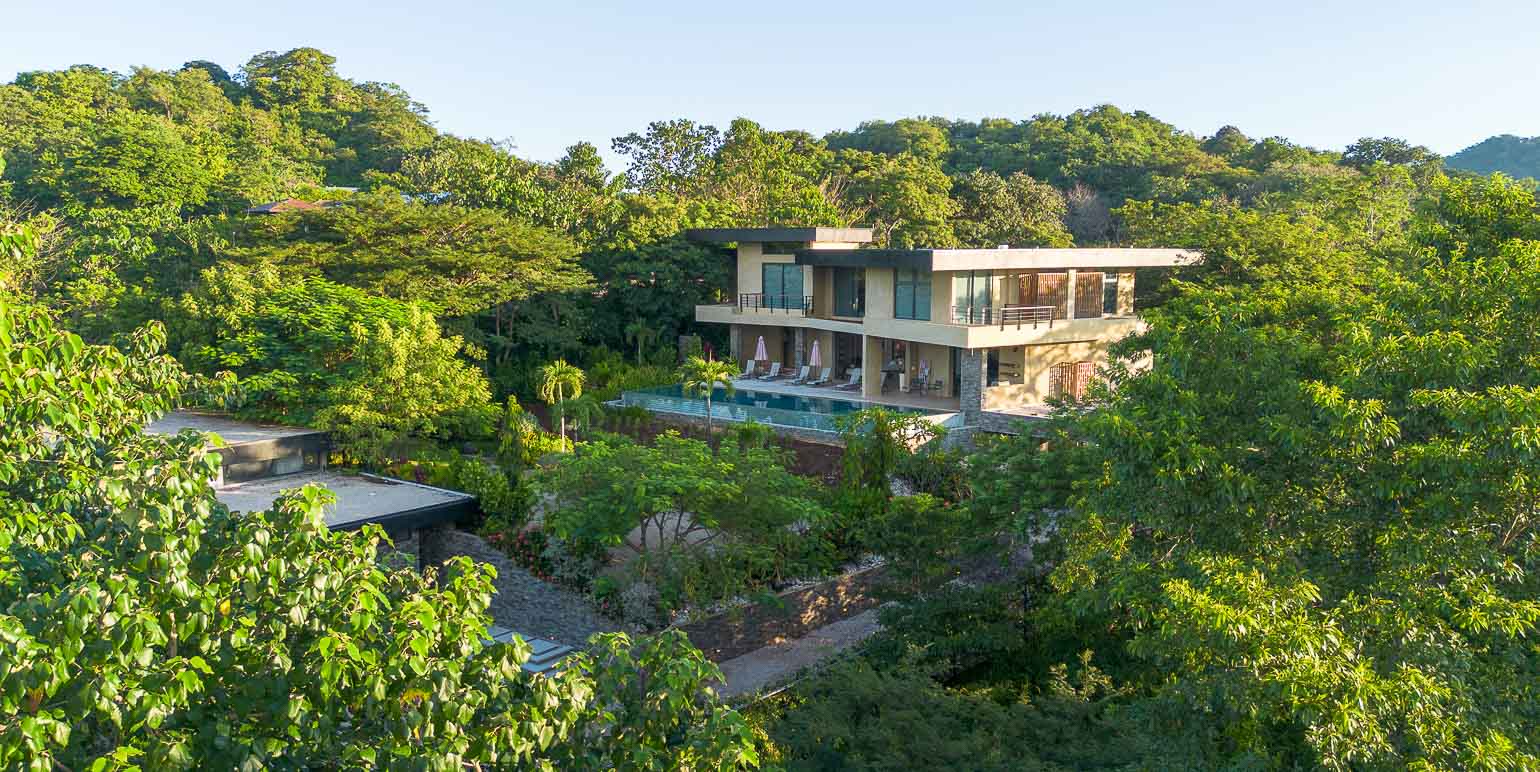
The distinction is important because privacy in Costa Rica does not have one architectural expression. A gated estate in the Central Valley, a managed resort residence in Guanacaste and a secluded hillside villa overlooking the Pacific can all answer the same underlying desire in very different ways.
For international owners, privacy also intersects with practical considerations around ownership structures, estate planning and asset management. These are areas where qualified Costa Rican legal and tax advisors should be involved early, particularly when a property will form part of a broader international portfolio.
From Second Home to Second Base
There is another reason the arrival of younger, more mobile wealth is relevant to Costa Rica: the traditional distinction between a primary residence and a vacation home is becoming less rigid.
A globally mobile founder may not think of a Costa Rican residence as a house used for two weeks each year. It can instead become one point in a network of places from which life and business operate.
That changes what matters.
A second home designed primarily for holidays can tolerate certain compromises. A second base cannot. Connectivity, workspace, storage, security, accessibility, management and proximity to everyday services become much more important when stays extend from days into weeks or months.
The Agency Costa Rica’s current market already illustrates the breadth of those possibilities, with luxury inventory extending from established Central Valley communities to Nosara, Santa Teresa, Guanacaste and the Central and South Pacific.

A Different Definition of Luxury
The most interesting insight from “The New Guard” may ultimately be that the next generation of wealth is not simply buying different houses. It is assigning value differently.
Speed matters. So does simplicity. Technology is expected rather than celebrated. Privacy is prized. Wellness has moved closer to the center of the decision. And a home increasingly needs to accommodate a life that can move between countries without sacrificing either professional capability or personal comfort.
Costa Rica fits naturally into that conversation because many of the qualities now being sought globally have long defined its strongest properties: proximity to nature, indoor-outdoor living, privacy and a lifestyle that can make slowing down feel effortless.
The AI wealth cycle is still young, and The Agency’s Red Paper is careful to note that the industry is only beginning to understand how this generation will allocate its wealth.
But one shift already appears clear. For buyers who can increasingly choose where they live, the value of a home is becoming less about what it displays and more about what it enables.
Explore Costa Rica From a Global Perspective
The Agency Costa Rica combines local market knowledge with the perspective of The Agency’s international network. Explore our collection of residences and discover the regions that best align with the way you want to live.
Articles you might like