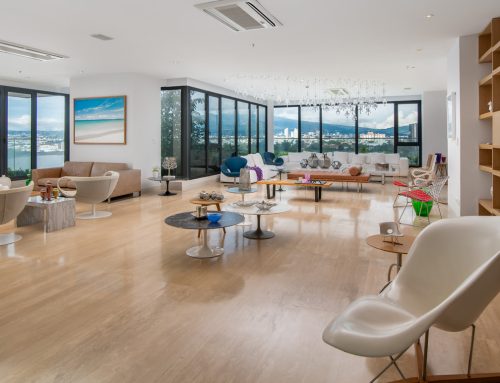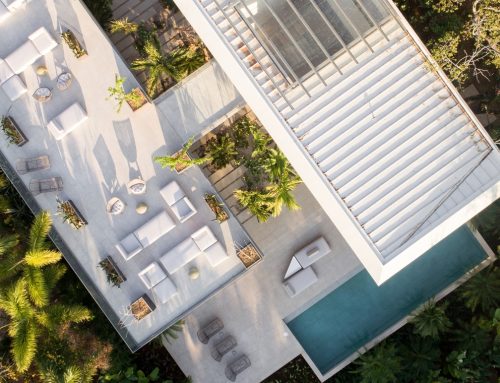

For years, the language of luxury real estate revolved around recognizable markers such as views, pools, generous entertaining spaces, wine cellars, home cinemas and increasingly sophisticated kitchens.
Those features have not disappeared. But another priority is moving closer to the center of the conversation: how a home makes its residents feel.
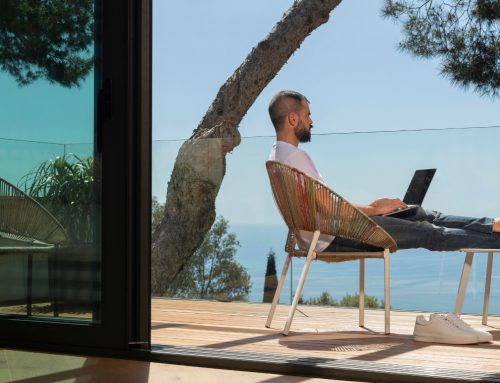
Across the upper end of Costa Rica’s residential market, wellness is becoming increasingly tangible. Saunas and cold plunges sit alongside gyms and spa-like bathrooms. Gardens are being treated as extensions of the living space. Natural light, cross-ventilation, privacy, views and quieter interiors are contributing to homes designed not simply for recreation, but for restoration.
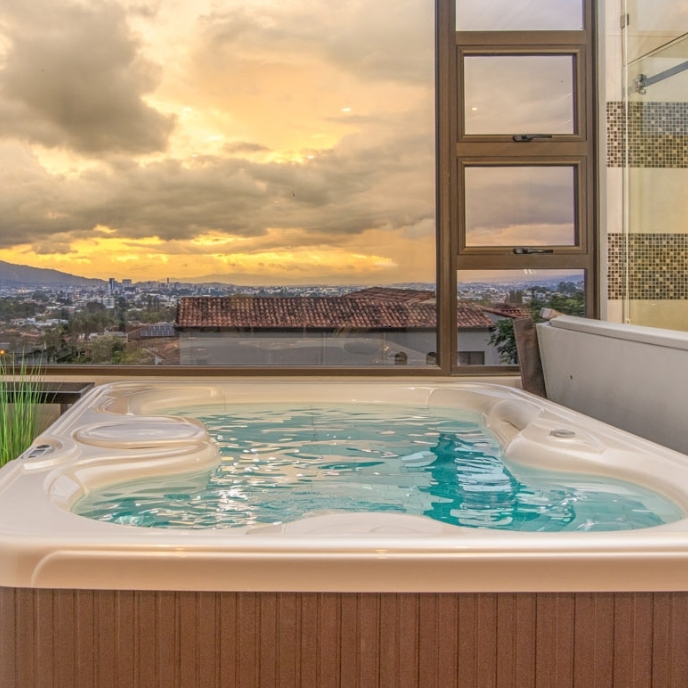
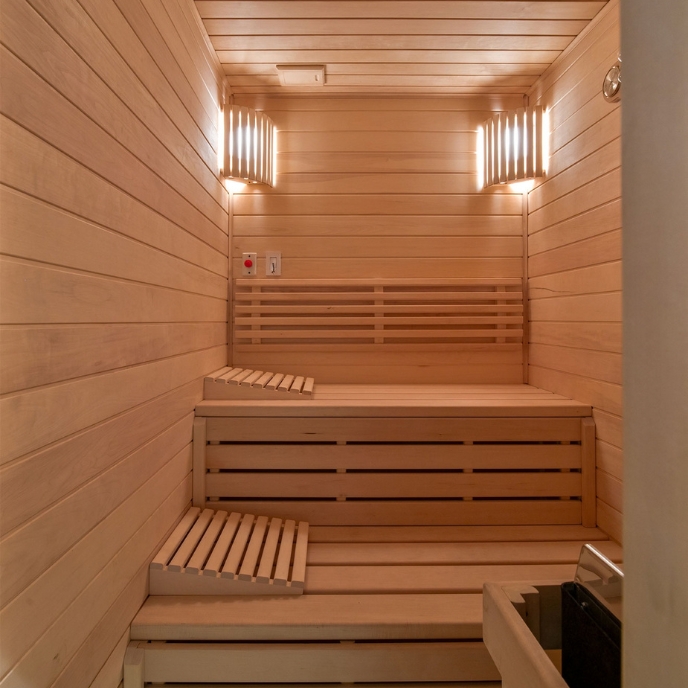
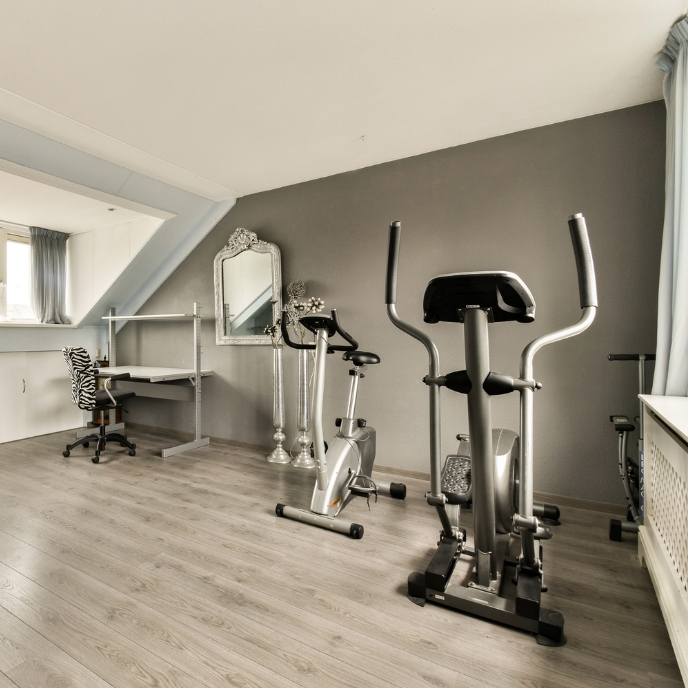
The shift reflects a broader change in luxury buyer priorities. In The Agency’s 2026 Mid-Year Red Paper, “The New Guard” examines the preferences of a younger generation of wealth emerging from artificial intelligence and technology. Among the report’s observations is a growing emphasis on serene homes and dedicated wellness spaces, including saunas, steam rooms, cold plunges and gardens, alongside access to views and nature.
Among Costa Rica’s luxury homes currently on the market, these residences stand out for the way they bring wellness into the very experience of living.
From Wellness Amenity to Wellness Residence
Casa Satori in Cerro Real provides perhaps the clearest expression of the trend.
Set in the hills of Escazú, the contemporary residence incorporates a cold plunge, sauna, steam room, soaking tub, gym and beauty salon. These are not isolated additions tucked into an otherwise conventional home. The property is explicitly conceived around wellness, with architecture, light and silence contributing to the experience.
Floor-to-ceiling windows open the residence to west-facing views, while smart-home systems allow lighting, climate and ambiance to be controlled by zone. Outdoors, landscaped gardens, a heated pool and expansive social spaces extend daily life beyond the interior.
The significance is not simply the number of wellness amenities. It is their integration. Recovery, exercise, personal care, outdoor living and environmental control have been brought together within the residence itself.
For a buyer accustomed to organizing life around limited time, that integration has an obvious appeal. Wellness no longer requires leaving home.
Architecture Can Be Part of the Wellness Equation
Not every wellness-focused residence needs a dedicated spa floor.
At Casa Meerwald at Faro Escondido, on Costa Rica’s Central Pacific coast, the relationship between architecture and nature becomes part of the proposition.
Designed by Studio Saxe, the residence is conceived around the integration of contemporary architecture with its natural setting. An internal garden sits at the heart of the home, while cross-ventilation, abundant natural light, greenery and ocean views help dissolve the boundary between interior and landscape.
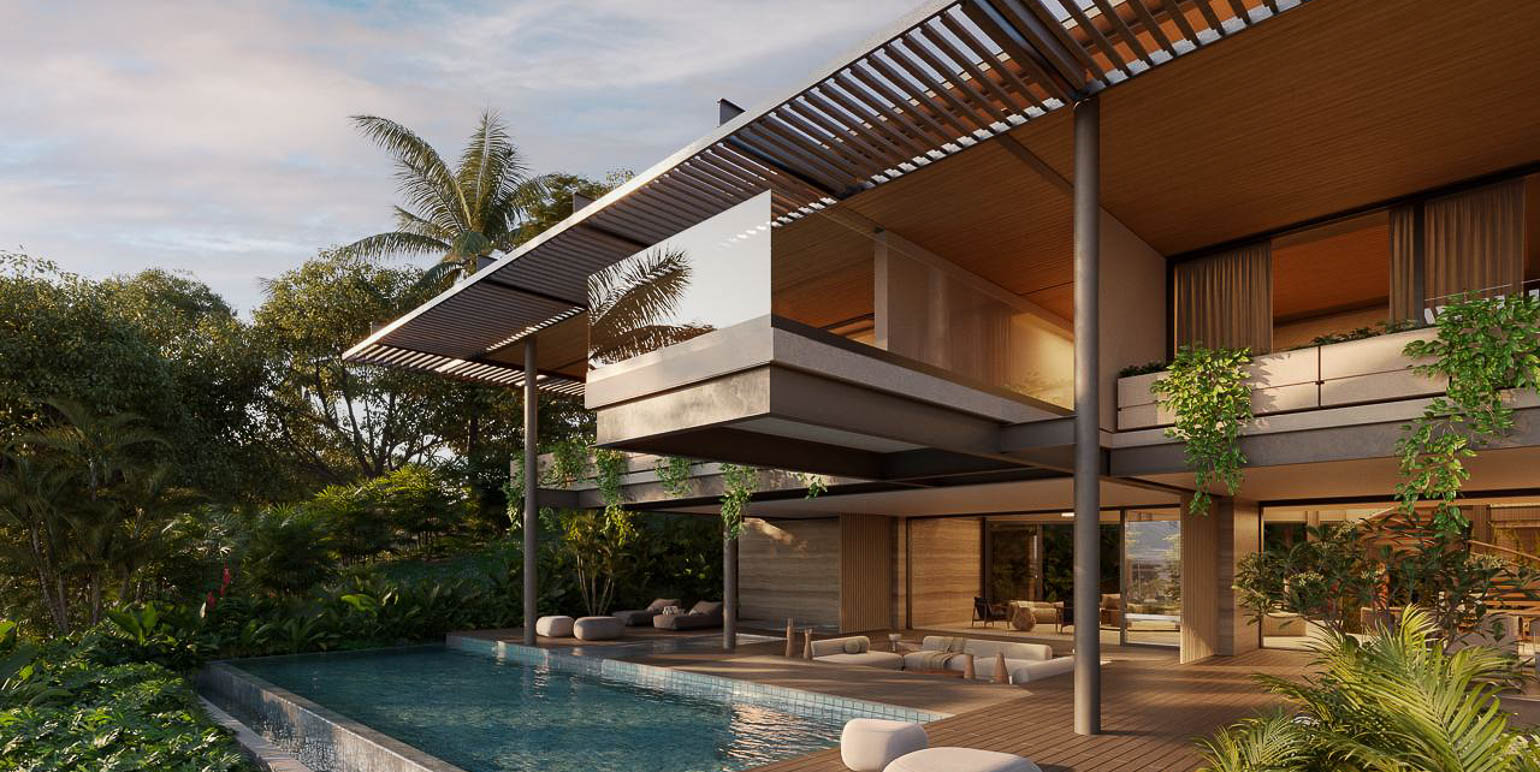
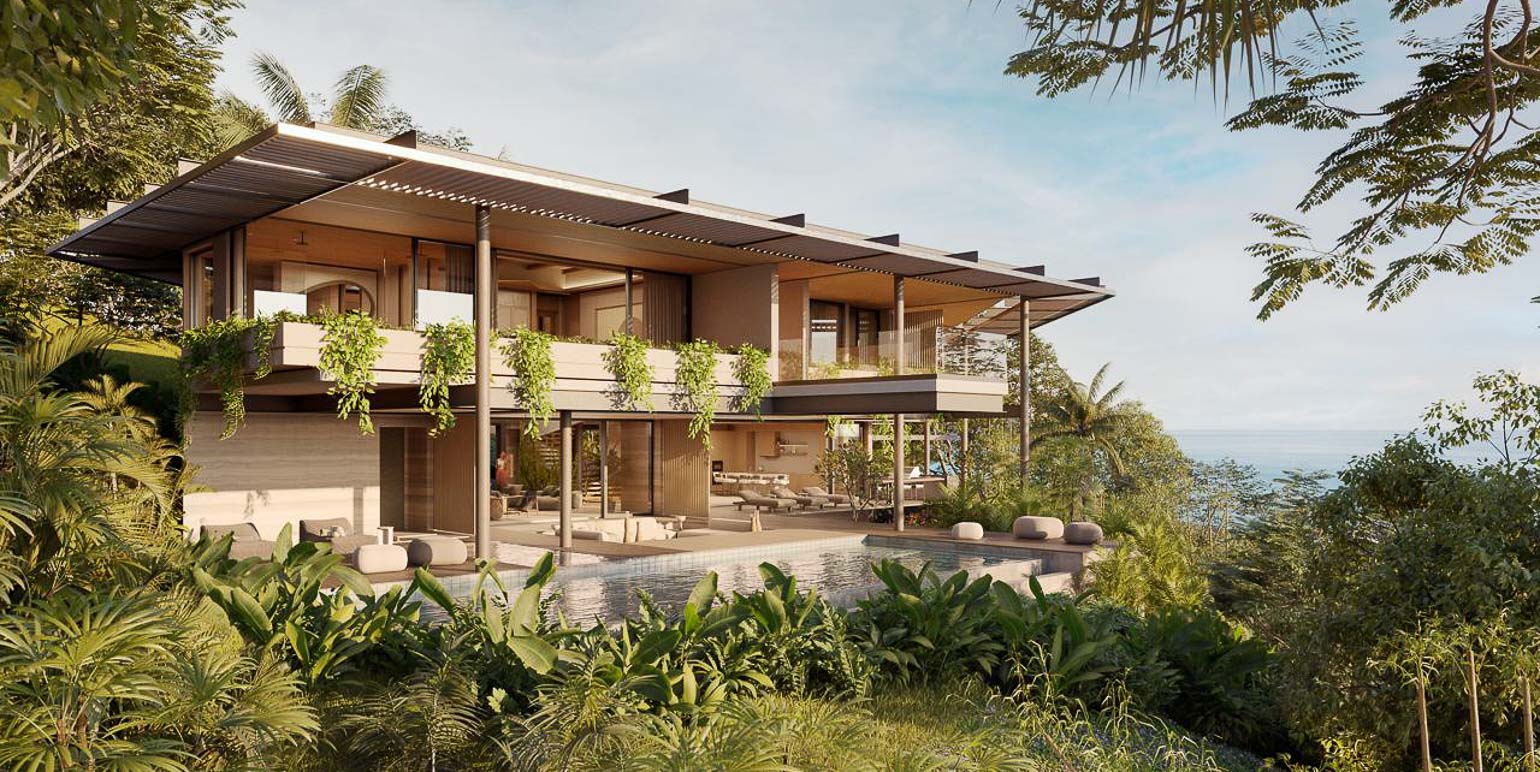
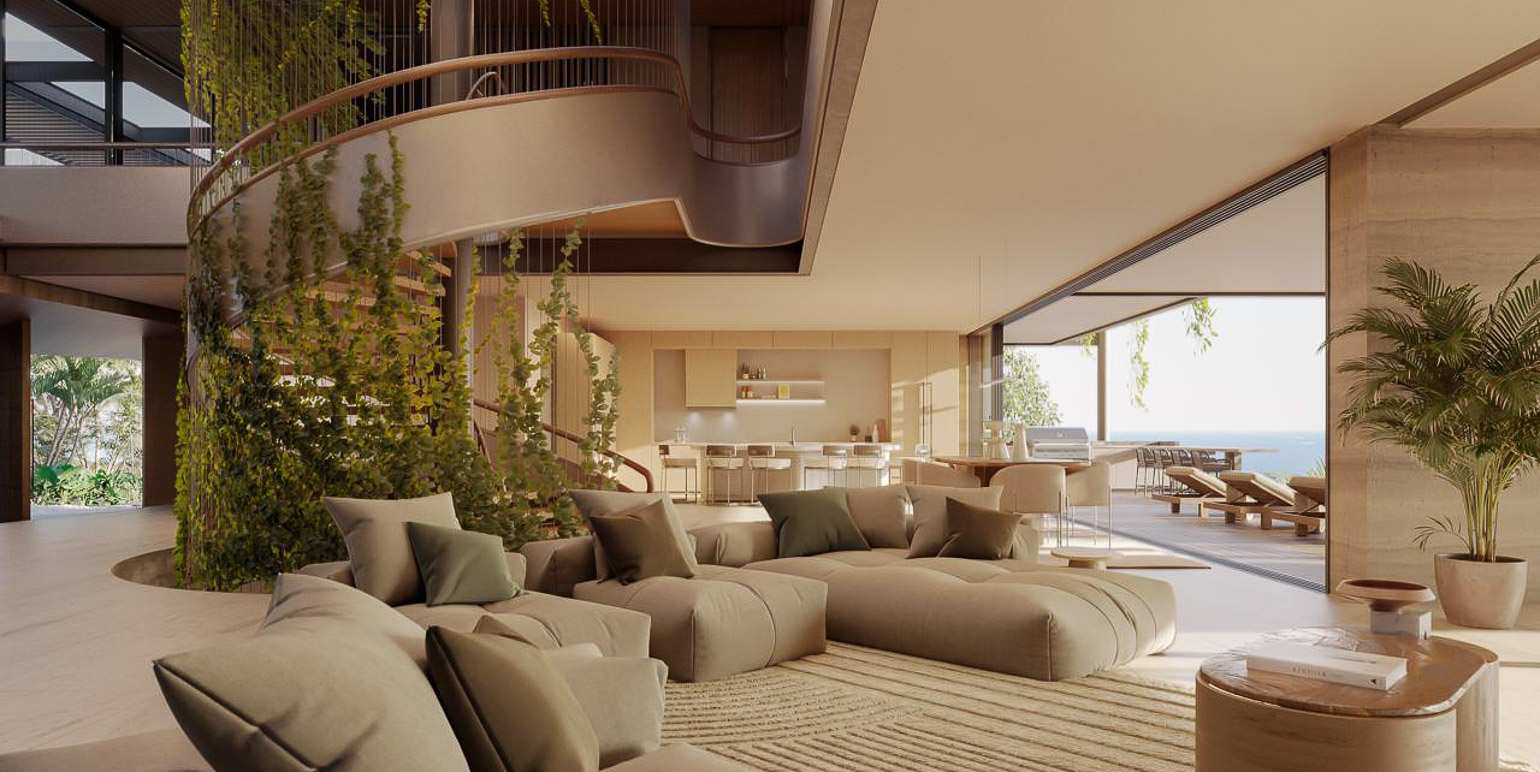
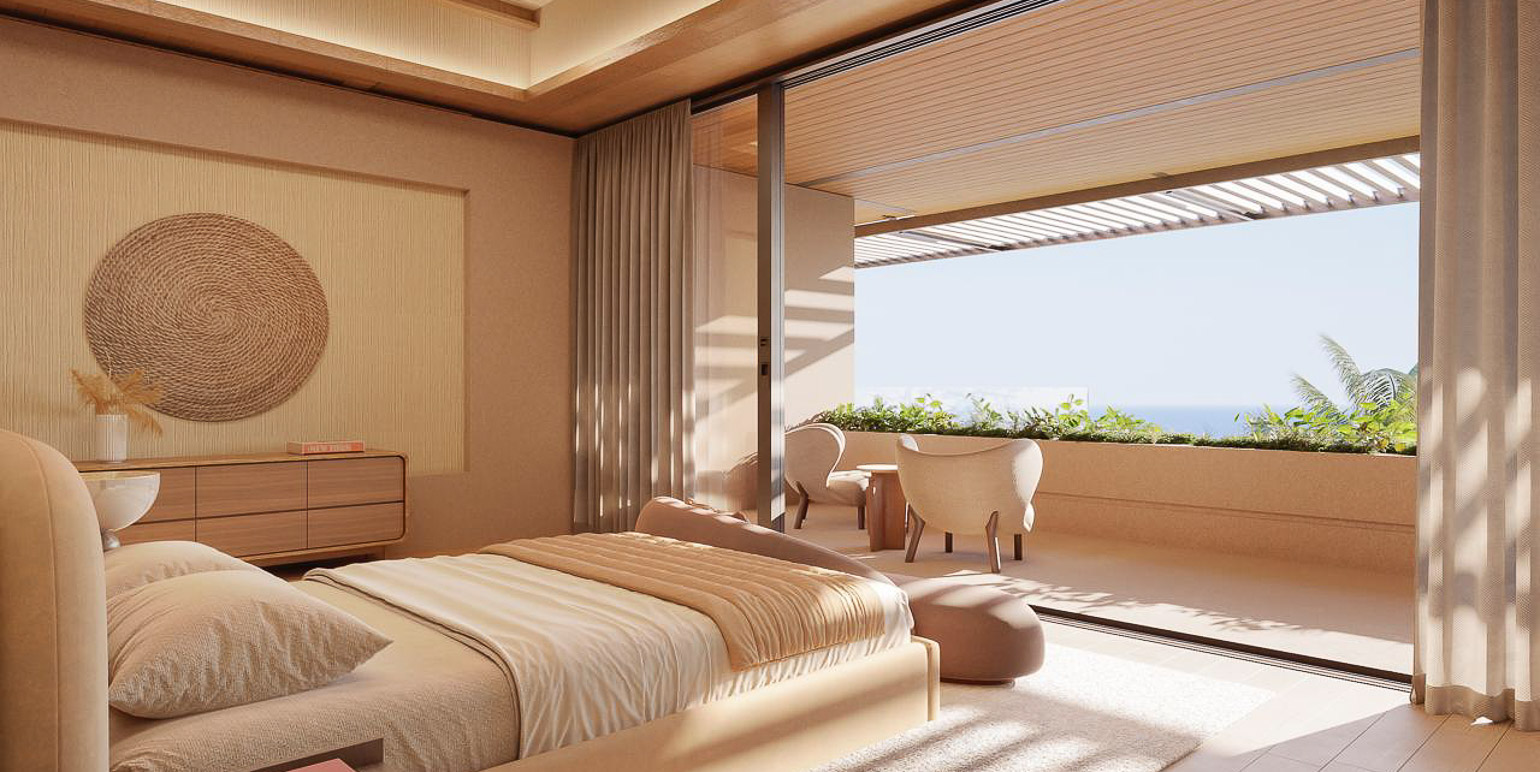
There are more conventional wellness amenities too, including a gym and jacuzzi. Yet Casa Meerwald illustrates a broader definition of wellbeing in residential design: one in which daylight, air, landscape and visual connection to nature matter alongside dedicated fitness and recovery spaces.
Here, wellness architecture can draw upon the surrounding environment rather than attempting to reproduce a resort spa entirely indoors.
Wellness Is Not Only a Coastal Story
Costa Rica’s global wellness image is often associated with beaches, jungle, surf towns and remote retreats. Yet some of the most instructive examples in the current luxury market are found in the Central Valley.
Into the Green in Santa Ana combines a cedar sauna and heated pool with a private landscaped garden and extensive outdoor living areas. Five ensuite bedrooms connect to either the garden or balconies, making the landscape a recurring element of everyday life rather than something viewed only from a principal entertaining space.
The result suggests a form of urban-adjacent wellness suited to owners who want proximity to the services, schools, restaurants and business infrastructure of western San José without abandoning privacy, greenery and outdoor living.
A similar idea appears at Private Oasis Residence in Escazú. Its wellness features are unusually concrete for a city residence: a private gym, sauna, jacuzzi and pool are complemented by landscaped gardens, natural light and cross-ventilation.
These homes are useful reminders that the wellness conversation in Costa Rica extends beyond destination properties. For buyers living in the country for months at a time, or making Costa Rica a primary residence, wellbeing increasingly needs to coexist with ordinary daily life.
From Private Wellness to Wellness Communities
The next evolution may extend beyond the individual residence.
Lumina Terrace at Solaris, in the mountains between Escazú and Santa Ana, demonstrates how wellness can become part of a broader residential ecosystem.
Within the apartment, the primary suite includes a spa-like bathroom with a freestanding soaking tub facing the valley. An oversized private terrace creates substantial open-air living space with mountain and Central Valley views.


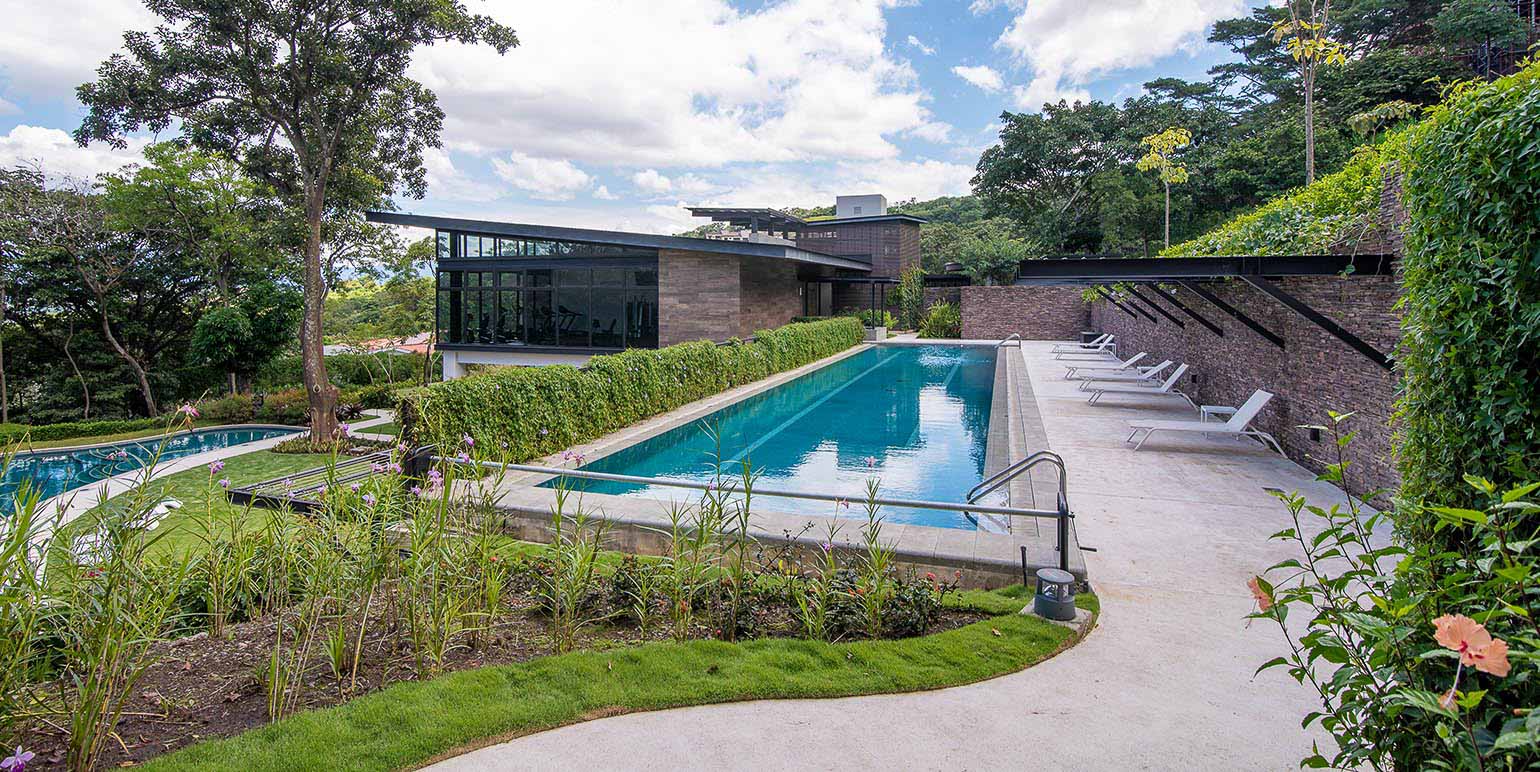
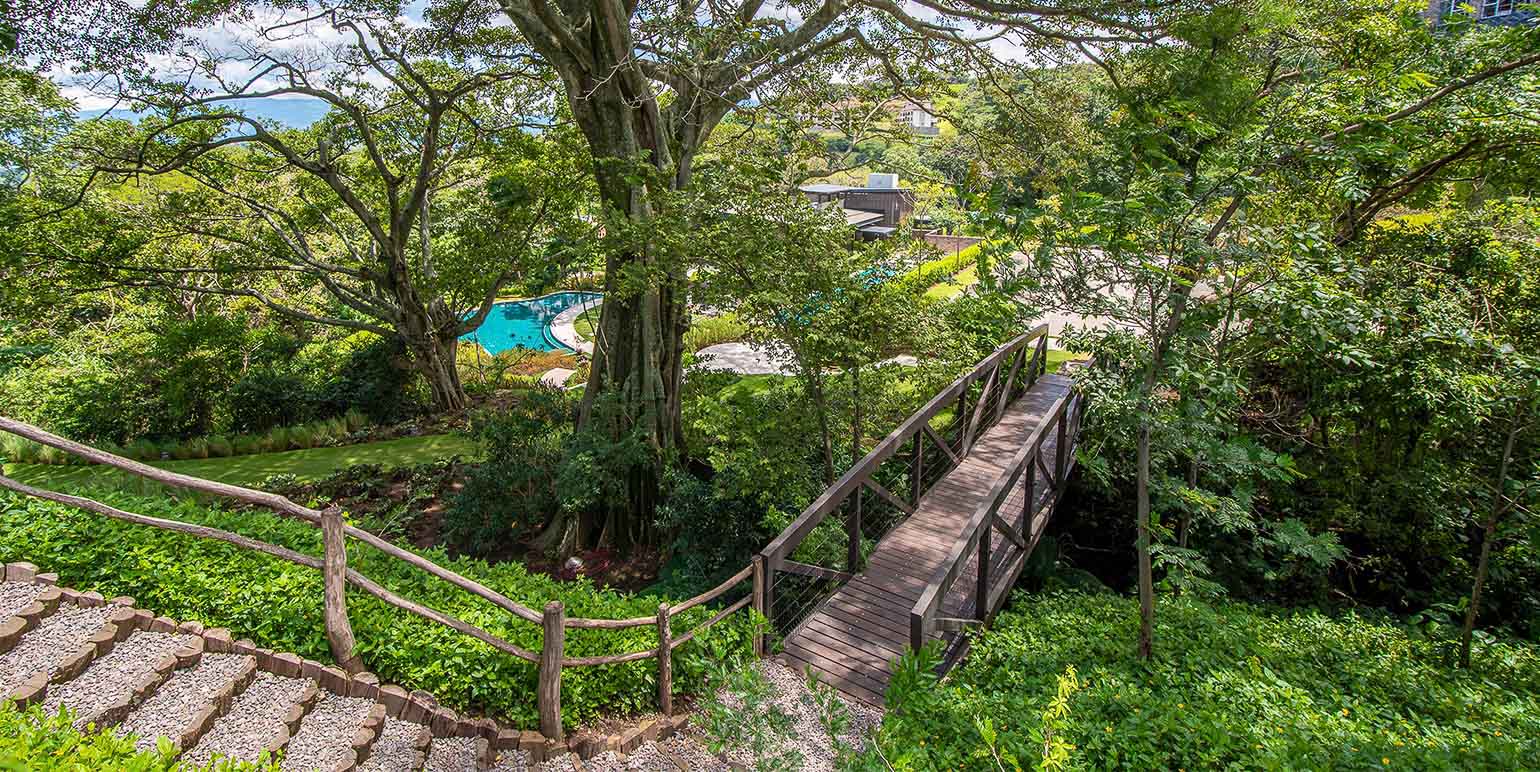
Beyond the residence, Solaris expands the offering through shared amenities that include hiking trails, a sauna, swimming pools, tennis courts, a gym and an organic garden.
This creates a different proposition from Casa Satori’s private wellness suite. Rather than bringing every function inside one home, a community such as Solaris distributes wellness across the wider environment.
For some buyers, particularly those seeking a lock-and-leave residence, that model may be equally relevant: private restorative space inside the home, combined with fitness, recreation, nature and wellness infrastructure immediately outside it.
The Home as a Place to Recover
The Agency’s Red Paper describes a generation of entrepreneurs whose professional lives can involve extraordinary levels of speed, connectivity and external noise. Against that backdrop, the desire for a calmer home is not difficult to understand.
Costa Rica has long been associated internationally with nature and an outdoor-oriented way of life. What is changing within parts of the luxury residential market is the degree to which those ideas are being deliberately incorporated into the property itself.
Casa Satori makes wellness a dedicated part of the residence. Casa Meerwald uses architecture to strengthen the relationship with nature. Into the Green and Private Oasis demonstrate that restorative living can work within the Central Valley. Lumina Terrace and Solaris show how an entire residential community can participate in the same idea.
The common thread is not any single amenity.
It is a changing expectation of home: not simply somewhere impressive to arrive, but somewhere designed to help its residents reset once they do.
Articles you might like